Flea and Tick Control for Long Island and Queens Pet Owners
Protect your family and pets from fleas and ticks in Nassau County, Suffolk County, and Queens. Guide from Quest Pest Control.
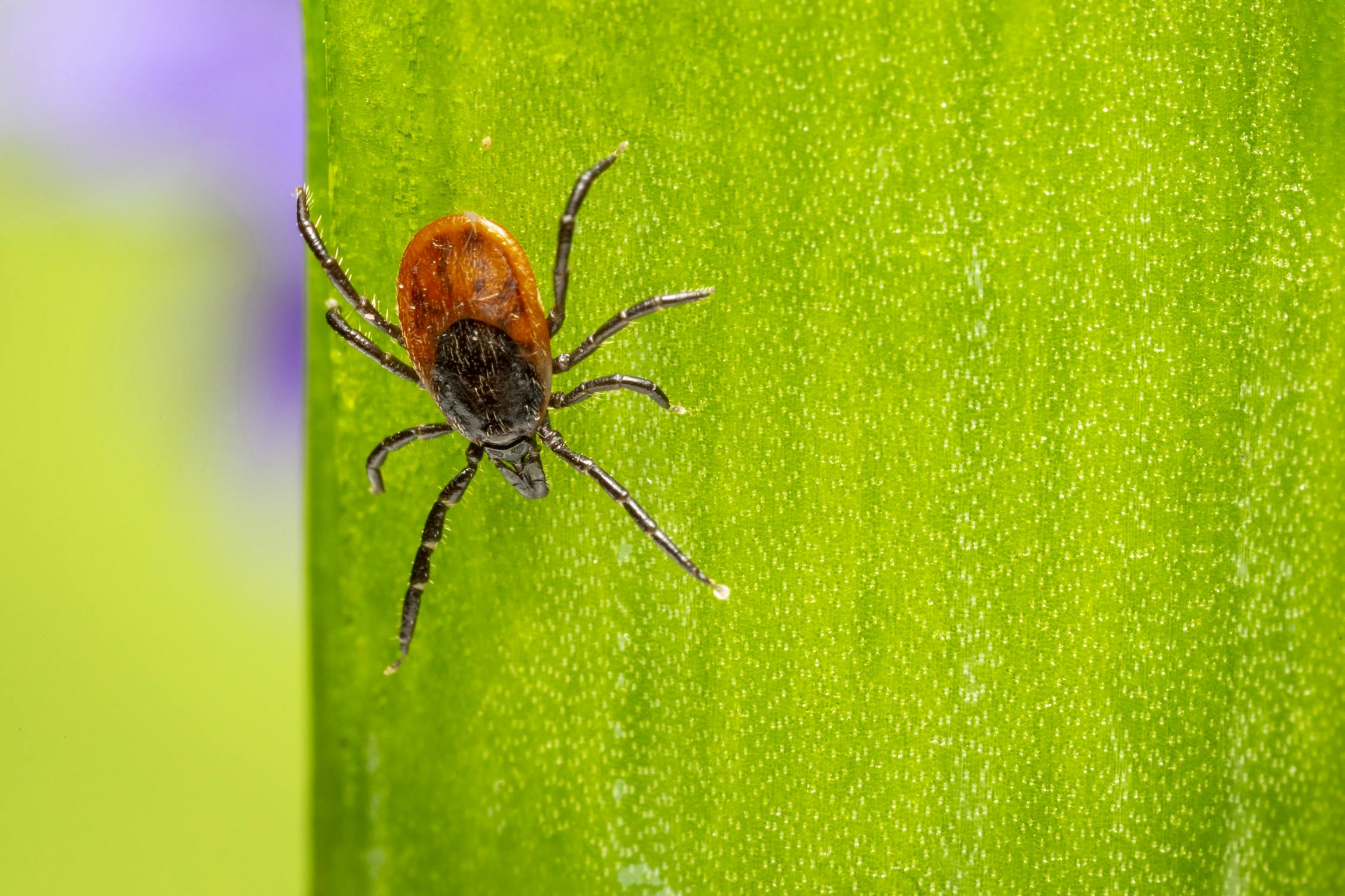
Fleas and Ticks: A Year-Round Concern on Long Island
Long Island is one of the highest-risk regions in the country for tick-borne disease. Suffolk County and Nassau County consistently rank among New York State's top counties for Lyme disease cases, and deer tick (blacklegged tick) populations have expanded significantly into suburban neighborhoods over the past decade. In Queens, dog parks and greenway trails have seen growing tick activity as populations spread from Long Island.
Fleas, while less medically dangerous, cause intense discomfort for pets and spread rapidly through homes — a single flea can lay 50 eggs per day.
Tick Species in Our Service Area
Blacklegged Tick (Deer Tick) — The primary Lyme disease vector. Found throughout Suffolk County and increasingly in Nassau County and Queens. Most active in spring and fall when temperatures are between 35–55°F, but active year-round above freezing. Nymphs (the size of a poppy seed) are responsible for most Lyme transmissions because they're nearly impossible to spot.
American Dog Tick — The primary vector of Rocky Mountain Spotted Fever. Common in grassy and brushy areas throughout Long Island. Larger and easier to detect than deer ticks. Most active May through August.
Lone Star Tick — Increasingly common in eastern Suffolk County, particularly in the Hamptons and Riverhead area. Can cause alpha-gal syndrome (meat allergy) and ehrlichiosis. Aggressive host-seekers that will pursue a host across open ground.
Tick Habitat on Long Island and Queens Properties
Ticks don't live in open lawn — they prefer:
• Leaf litter along fence lines and garden borders
• Shrubs and brush at the edge of wooded areas
• Ground cover plants like pachysandra and hostas, which retain moisture
• Stone walls and woodpiles where mice (the primary host for deer tick nymphs) shelter
In Suffolk County communities like Huntington, Smithtown, and Brookhaven — where homes back up to wooded lots and nature preserves — tick pressure can be very high from April through November.
Flea Infestations: From Yard to Home
Fleas typically enter homes on pets that have been outdoors. A single flea bite on your cat or dog triggers an infestation cycle: adult fleas lay eggs on your pet, eggs fall off into carpeting and bedding, larvae develop in carpet fibers, and adults emerge and immediately seek a host. By the time you notice your pet scratching, you may already have thousands of fleas in various life stages throughout your home.
Indoor flea treatment must address all life stages simultaneously — adults, eggs, larvae, and pupae. Vacuuming daily and washing pet bedding helps, but professional treatment is typically required to fully break the cycle.
Professional Flea and Tick Control
Quest Pest Control provides integrated flea and tick control for homes and yards across Nassau County, Suffolk County, and Queens:
Outdoor tick treatments — targeted applications to tick harborage areas (leaf litter borders, shrub beds, groundcover) using insect growth regulators and residual insecticides. Treatments are applied April through October on a scheduled basis.
Indoor flea treatments — comprehensive treatment of all flooring surfaces, furniture, and pet resting areas using insect growth regulators to prevent re-infestation from eggs and larvae.
Yard barrier programs — seasonal protection programs that dramatically reduce tick and mosquito populations in your outdoor living areas.
Protect your family and pets. If you're looking for pest control near me for fleas and ticks in Long Island or Queens, contact Quest Pest Control today.