Long Island Tick and Lyme Disease Prevention: A 2025 Homeowner's Guide
Long Island has among the highest rates of Lyme disease in the United States. Learn how to protect your family from deer ticks in Nassau and Suffolk counties with professional yard treatments and practical prevention strategies.
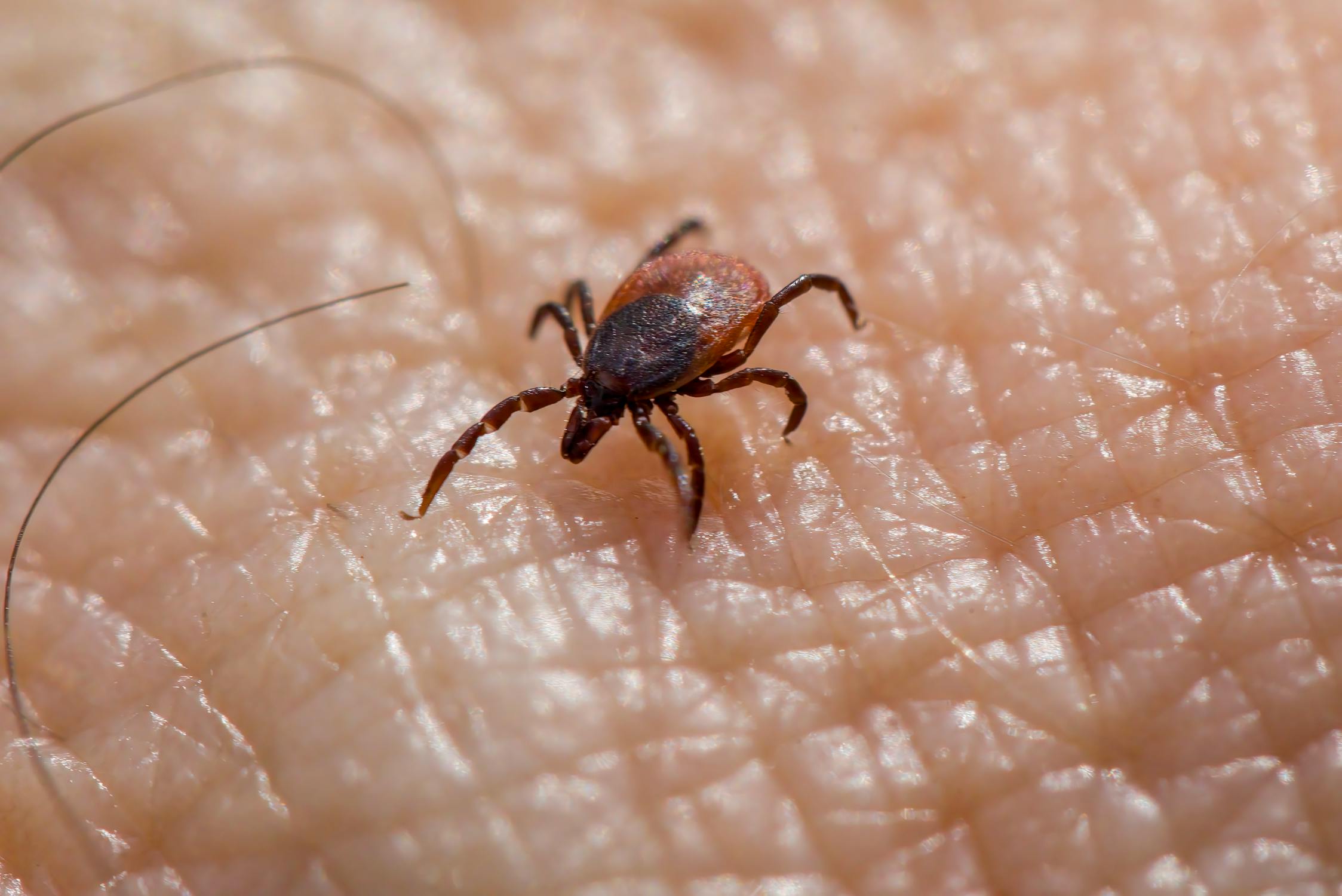
Long Island's Tick Problem: One of the Nation's Worst
If you live on Long Island, you already know that ticks are not a minor inconvenience — they are a genuine public health threat. Nassau and Suffolk counties consistently rank among the top counties in the United States for Lyme disease incidence rates, and tick season on Long Island now runs for most of the year.
The black-legged tick, commonly called the deer tick (*Ixodes scapularis*), is the primary vector for Lyme disease, as well as several other tick-borne illnesses including anaplasmosis, babesiosis, and Powassan virus. Understanding how to protect your family — and what professional treatment options exist — is essential for Long Island homeowners in 2025.
Why Long Island Has Such High Tick Pressure
Several factors combine to make Long Island a hotspot for deer tick populations:
• Deer populations: Long Island's deer population is dense, particularly in wooded sections of Nassau and throughout Suffolk. Deer are the primary host for adult deer ticks.
• Wooded suburban lots: The mix of manicured lawns and adjacent wooded areas — common across North Shore communities, the Hamptons, and East End — provides ideal tick habitat along the lawn-leaf litter edge.
• Migratory birds: Birds carry tick larvae from endemic areas, introducing new ticks to suburban yards.
• White-footed mice: This small rodent is the primary reservoir for Lyme disease bacteria. It is abundant in Long Island's suburban woodlands and is critical to tick infection cycles.
Tick Season on Long Island
While summer is peak awareness season, Long Island ticks are active in temperatures above 35°F — meaning they are a concern from late February through December in most years.
Seasonal Activity:
• Early spring (March-May): Nymphs emerge — this is the most dangerous stage because nymphs are tiny (poppy-seed sized) and can easily go unnoticed. Nymphs account for most Lyme disease transmissions.
• Summer (June-August): Adult ticks continue seeking hosts; deer ticks are common; Lone Star ticks (which cause STARI, not Lyme) also active.
• Fall (September-November): Adult deer ticks are highly active through November, questing from leaf piles and brush.
What Is Lyme Disease?
Lyme disease is caused by the bacterium *Borrelia burgdorferi*, transmitted through the bite of an infected deer tick. The tick typically needs to be attached for 36-48 hours to transmit the bacteria.
Symptoms:
• Early stage: Expanding red rash (erythema migrans, often called a "bull's-eye" rash), fatigue, fever, headache, muscle and joint pain
• Later stage: Joint pain and swelling (particularly knees), neurological symptoms, heart problems
Early diagnosis and antibiotic treatment are highly effective. Untreated Lyme disease can cause chronic, debilitating symptoms. If you find an attached tick or develop symptoms, contact your physician promptly.
Professional Tick Yard Treatments on Long Island
The most effective way to reduce tick populations in your yard is through professional yard spray programs. These treatments target the areas where ticks concentrate: lawn edges, wood piles, leaf litter, garden borders, and shaded areas under shrubs.
Barrier Spray Programs
Barrier spray treatments use EPA-registered insecticides applied as a perimeter spray around the yard — typically the outer 6-10 feet of lawn adjacent to wooded edges, shrub beds, and fence lines. Treatments are applied every 4-6 weeks during tick season.
Natural and Organic Options
For homeowners who prefer reduced-chemical approaches, cedar oil-based and other botanical tick sprays are available. These break down quickly and are less effective than conventional treatments, but can be combined with habitat modification for meaningful protection.
Tick Tubes
Cardboard tubes stuffed with permethrin-treated cotton are placed in wooded areas and garden borders. Mice collect the cotton for nesting material, effectively treating the primary Lyme disease reservoir species.
Habitat Modification: Making Your Yard Less Hospitable
Alongside professional treatments, Long Island homeowners can reduce tick habitat:
• Clear leaf litter: Rake and remove leaf piles from yard edges and garden beds in fall and spring
• Create a mulch barrier: A 3-foot wide barrier of wood chips between wooded areas and lawn discourages tick migration
• Keep grass trimmed: Ticks prefer shade and tall vegetation; short lawns reduce harborage
• Move wood piles: Store firewood away from the house and off the ground
• Deer management: Deer-resistant plants and fencing reduce the number of deer — and adult ticks — entering your property
Personal Protection
Professional yard treatments significantly reduce tick populations, but personal protection adds another layer of defense:
Protecting Your Pets
Cats and dogs are at risk for tick bites and tick-borne illness, and they can carry ticks indoors to the family. Talk to your veterinarian about tick prevention products, and check your pets after every outdoor visit during tick season.
Quest Pest Control Tick Programs for Long Island
Quest Pest Control offers seasonal tick yard treatment programs for Nassau and Suffolk County homeowners. Our programs include:
We serve all of Long Island including Great Neck, Oyster Bay, Huntington, Setauket, Southampton, and East Hampton.
Schedule your tick treatment program before nymph season begins.